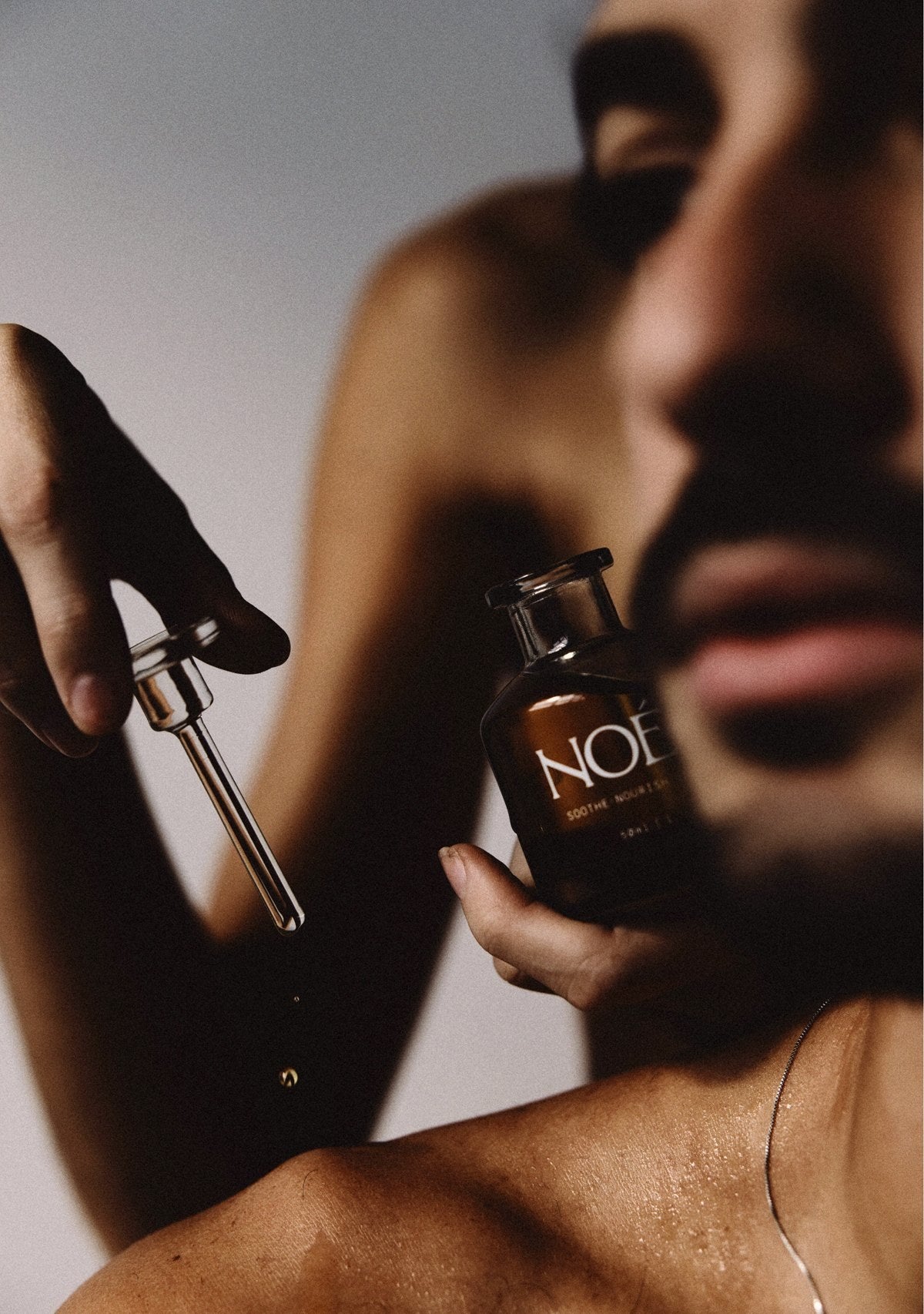

The Architecture of Touch
Your skin is not a barrier. It's an interface.
Two and a half million nerve endings. Four distinct types of mechanoreceptors. Thousands of thermoreceptors sensing temperature shifts as subtle as 0.01°C. Nociceptors for pain. C-tactile afferents for gentle, emotional touch—the kind that doesn't warn or inform, but soothes.
The body is not guessing. It is reading the world in real time, translating pressure and heat and texture into the language of aliveness.
But we've stopped listening.
What We’ve Forgotten
Touch is the first sense we develop and the last we lose. In utero, we respond to pressure before we can see or hear. On our deathbed, when sight and sound have faded, we still register the warmth of a hand holding ours.
Between birth and death, we are designed to be touched. Not occasionally. Constantly. It's biology. Touch regulates our nervous system, our immune response, our ability to bond and feel safe in the world.
And yet.
We live in the most touch-deprived era in human history.
We don't shake hands anymore. We don't embrace casually. We scroll for hours without feeling anything but glass under our fingertips. We treat the body like a machine that requires maintenance—moisturize, exercise, optimize—but never inhabit.
The Science of Sensation
When you touch someone—or they touch you—the sensation doesn't stay on the surface. It travels.
Pressure on skin activates receptors specialized for different types of touch. They send electrical signals racing up nerve fibers to the spinal cord, then to the somatosensory cortex in the brain, where touch is mapped with exquisite precision.
But touch doesn't stop there.
It also activates the insula (emotion processing), the anterior cingulate cortex (social bonding), and triggers the release of oxytocin—the hormone of connection. Gentle, slow touch specifically stimulates C-tactile afferents, which bypass the "information" pathways and go straight to the emotional centers of the brain.
This is why a hug from someone you trust calms you in a way logic cannot. Why certain textures—silk, warm oil, skin—register as pleasure before you've consciously processed them. Why touch deprivation leads to anxiety, depression, and a deep, aching sense of disconnection.
Touch is not optional. It is how we regulate ourselves and each other.
The Blue Lotus Effect
Ancient Egyptians understood this intuitively.
They didn't separate beauty from medicine, or sensuality from health. Anointing the body with oil wasn't vanity—it was practice. A way of honoring the skin as an organ of perception, not just protection.
Blue Lotus was central to these rituals.
Not because it "fixed" anything, but because it heightened awareness. Modern research suggests that Blue Lotus contains aporphine and nuciferine—compounds that interact with dopamine receptors and create a mild sense of euphoria and present-moment focus.
It doesn't numb. It doesn't sedate. It brings you into your body.
This is the aphrodisiac effect: not arousal in the narrow, sexual sense, but aliveness. The sudden, undeniable awareness that you have a body, and it is capable of feeling.
When you apply oil infused with Blue Lotus to damp skin and actually feel the warmth, the slip, the absorption—you are not performing self-care. You are practicing sensory presence.
The Loss of Touch Literacy
We used to know how to read the body.
A friend's hand on your shoulder could tell you the same as an hour of conversation. You could sense when someone you loved was holding tension just by brushing their arm. You knew your own body's signals—when your skin craved softness, when touch would ground you, when you needed to be held or left alone.
Now we've outsourced sensation.
We rely on devices to tell us our heart rate, our sleep quality, our stress levels. We Google symptoms instead of sitting with discomfort long enough to understand what the body is trying to communicate.
We've become touch illiterate.
And the cost is intimacy. Not just with others, but with ourselves.
When you cannot feel your own body—when showering is autopilot, when dressing is routine, when you touch your own skin only to apply product and move on—you lose the primary language through which aliveness is experienced.
You become a mind floating above a body, managing it from a distance, but never truly inhabiting it.
The Return
Reclaiming touch doesn't require grand gestures.
It requires attention.
Thirty seconds in the shower, feeling water hit your shoulders and actually noticing the temperature, the pressure, the way your muscles respond. For those of us familiar with the work of Mary Jane, you know what I’m talking about when you bathe with her and you suddenly realize in all the showers before, you’ve been way too harsh on your body while cleansing and shampooing.
Start: warm oil between your palms before applying it, so you feel the shift from cool to warm, liquid to viscous.
Smooth it over your arm slowly enough to register texture—the roughness of your elbow, the softness of your inner wrist, the exact moment the oil stops sitting on the surface and starts sinking in.
This is not indulgence. This is re-entry.
You are coming back to the 2.5 million nerve endings that have been quietly, patiently waiting for you to remember: I am here. I am designed to feel. This is what aliveness is.

The Baseline We Build
Touch is not decoration. It is structure.
The way we are held as infants shapes our nervous system's baseline for safety. The way we are touched as adults teaches us whether we are worthy of tenderness. The way we touch ourselves—rushed or reverent, functional or feeling—becomes the blueprint for how we move through the world.
If you treat your body like a problem to solve, it will always feel like a burden.
If you treat it like a landscape to explore, it becomes home.
The Nile Oil was formulated around this principle: that touch is not a luxury to be earned, but a language to be remembered.
Blue Lotus heightens sensation. Calendula soothes. Beta-Caryophyllene calms. But the oil itself is just the medium.
The architecture you're building is the practice of coming back—to your body, to presence, to the radical act of feeling what you feel without distraction or distance.
This is touch as medicine.
Not because it cures illness, but because it restores what disconnection has eroded: the knowledge that you are not a mind trapped in a body. You are a body that thinks, feels, senses, and knows—all at once, all the time, whether you're paying attention or not.
The only question is: Will you come back?
How to Begin
Start small.
After your shower, before you dry off completely, pour oil into your palm. Feel its weight. Rub your hands together and notice the warmth spreading. Smooth it over damp skin—arms first, then shoulders, collarbones, wherever you can reach without rushing.
Don't think about hydration or anti-aging or any outcome.
Just feel.
The texture of your own skin under your hands. The scent rising as the oil warms. The exact moment it stops feeling like product and starts feeling like you.
Do this for thirty seconds. That's all.
Thirty seconds of touch as presence, not task.
You will notice, over time, that those thirty seconds change the rest of your day. Not because the oil is magic, but because you remembered something the body has always known:
We are made to be touched.
Read more
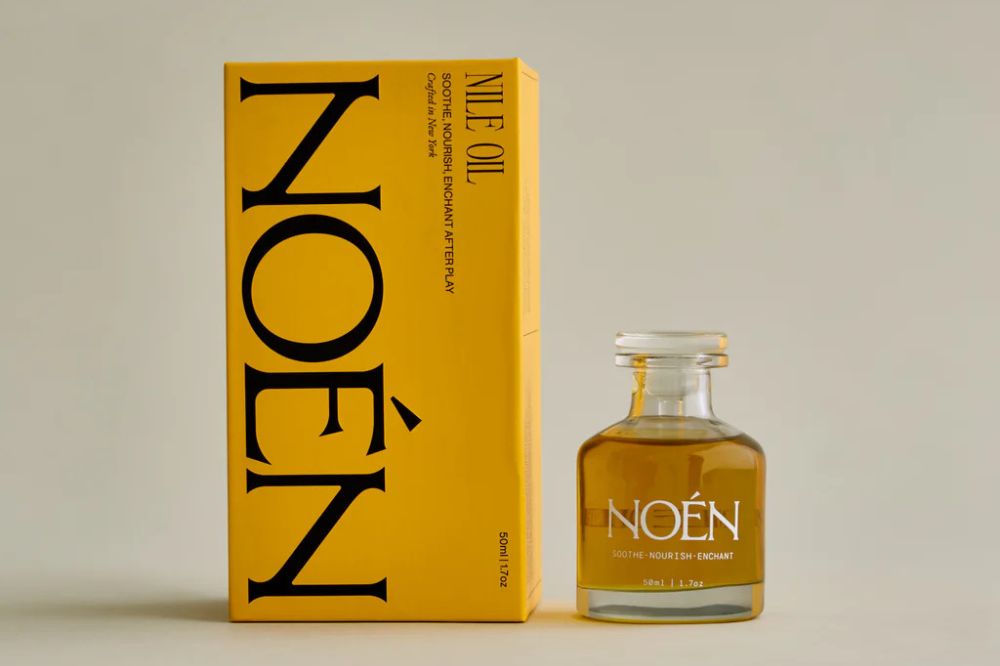
A ritual doesn't have to be elaborate. Sometimes it's as simple as oil, breath, touch. Our Nile Oil is one of those quiet rituals that turns care into connection—softening skin, slowing the body, a...
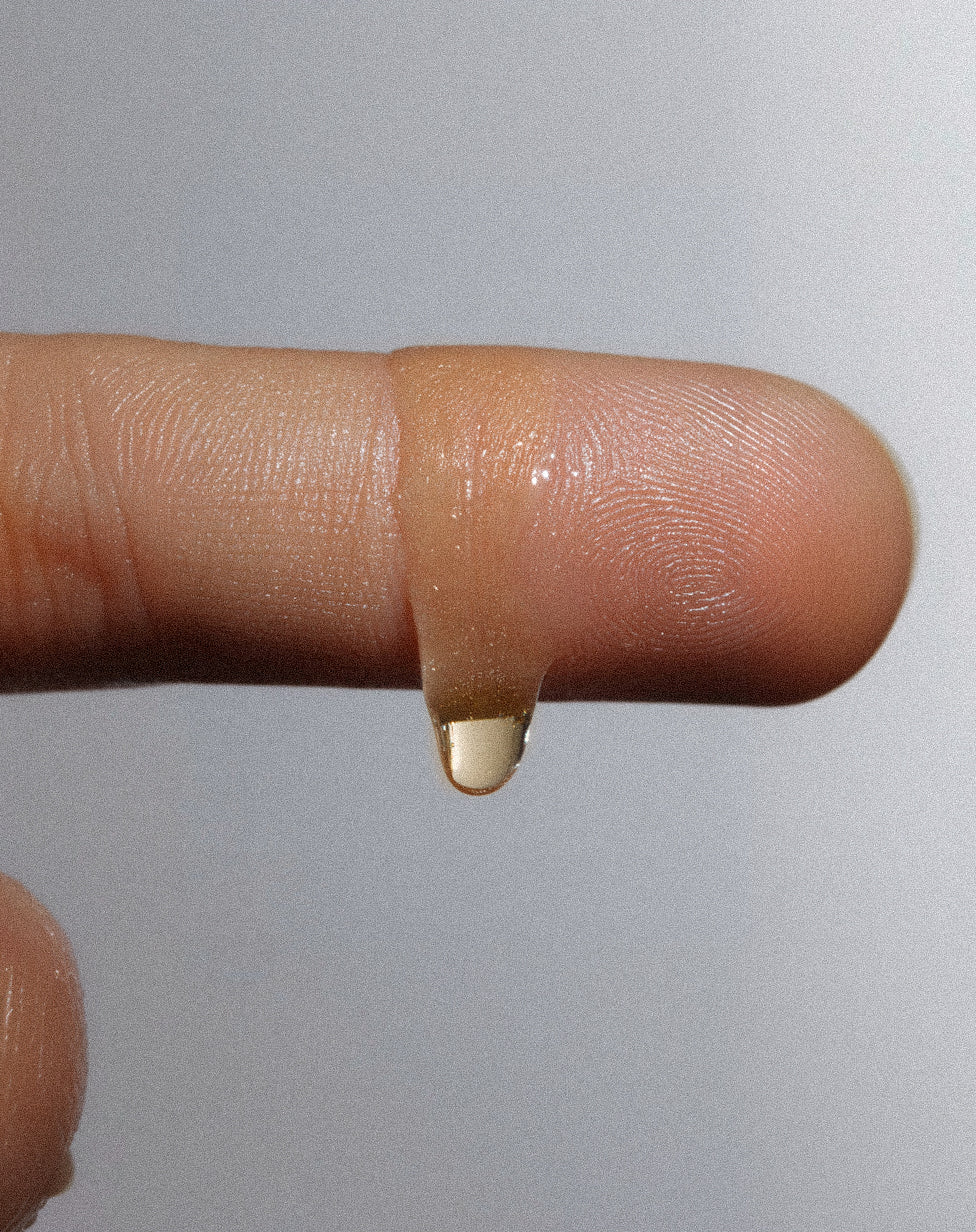
Your body releases chemical signals when you're calm, present, or aroused—an invisible language called chemosignaling. Most fragrance covers this up. Here's the science behind Noén's approach to sc...