Nov 18, 2026
Why scent feels different this season
Have you ever noticed how a smell can belong to a particular time of the year?
Some scents seem to arrive with a certain season, carrying a feeling before we have quite found the words for it: the scent of sunscreen on sun-warmed skin, the first trace of cinnamon, the lingering fragrance on a scarf finally taken out of storage… A fragrance we barely notice in July may feel entirely different in December. Nothing may have changed about the scent itself, and yet our experience of scent is not the same.
Why does this happen? And what is it about the colder months that can make fragrance feel even more intimate?
Different seasons, different scents?
The aromas around us change as the year unfolds, but so do our routines, memories and expectations.
Spring might smell of freshly laundered sheets and flowers opening in the heat; summer brings ripe fruit and the unmistakable smell of the sea breeze; autumn usually carries the earthy scent of rain-soaked ground. Later, winter arrives with spices in the kitchen and woodsmoke in the air. Some of these are environmental and come directly from our surroundings, while others come from the way we live as the year progresses: the foods we prepare and consume, the rooms we inhabit and spend time in, and the rituals that shape our days.
Gradually, we come to associate certain aromas with a particular season, until they become familiar time markers.
Your nose remembers it all
Consider cinnamon. Its smell is familiar to many of us, but familiarity does not remain constant throughout the year.
In a study published in Food Quality and Preference, researchers asked participants to associate different smells with summer or Christmas: rose was more strongly associated with summer, while cinnamon and clove were linked to Christmas. In a separate part of the research, cinnamon was rated as more pleasant when smelled during the Christmas season than during summer. Truth is: the scent of cinnamon had not changed, what changed was the context in which people encountered it.
Repeated experiences build these connections. The same spices used in festive recipes, the same candles lit on dark evenings, the same familiar aromas filling a childhood home. Over time, these experiences accumulate and gather meaning. And suddenly, a scent can evoke a feeling or a memory before we have consciously identified what we are smelling.
When we slow down, we notice more
Attention also shapes how we experience scent. Our sense of smell is constantly gathering information, but much of it passes unnoticed. We may catch the aroma of coffee brewing or the scent of rain without ever consciously stopping to take it in.
The shift into the colder season brings another dimension to this interplay. As the days shorten and daylight recedes, visual information becomes more limited and our attention may turn towards other sensations. This reduction in visual noise doesn’t mean darkness magically sharpens our sense of smell, but with less competition for our eyes, our attention can turn more easily to everything else. So a familiar aroma that passed unnoticed amid the movement of a summer afternoon may become more apparent during a quiet evening at home.
That is why this season can become an invitation to experience scent differently. We do not need to replace everything with darker, warmer or heavier notes simply because the temperature has dropped, or because the night arrived earlier, we can begin by noticing what is already there, how a fragrance unfolds on the skin, how it changes throughout the day.

Try choosing one familiar scent and spending a little longer with it. The point is not to become an expert at identifying notes, it is simply to allow the senses a little more room. Because when we pay attention, even familiar aromas can reveal details we had overlooked.
Closer to the skin
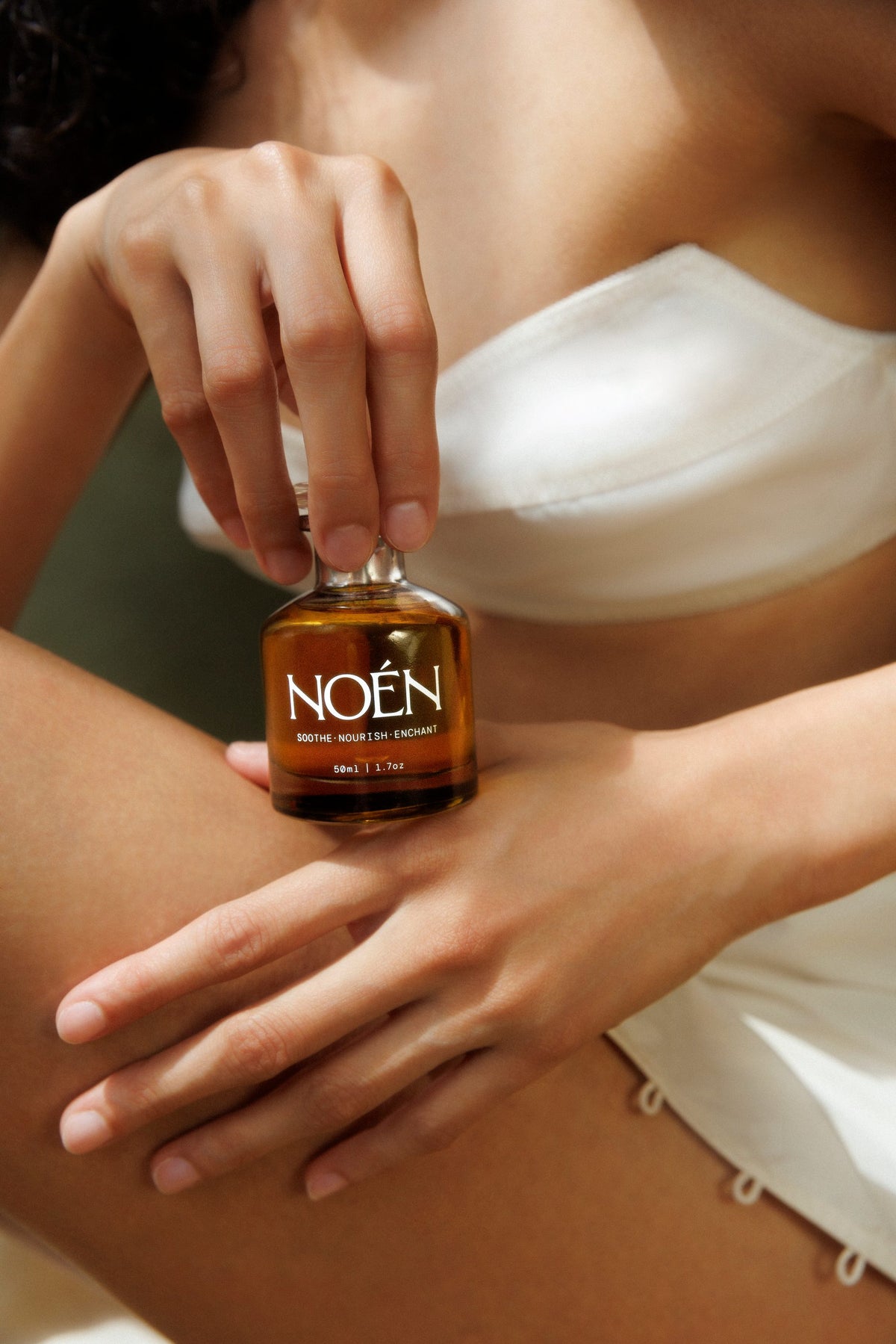
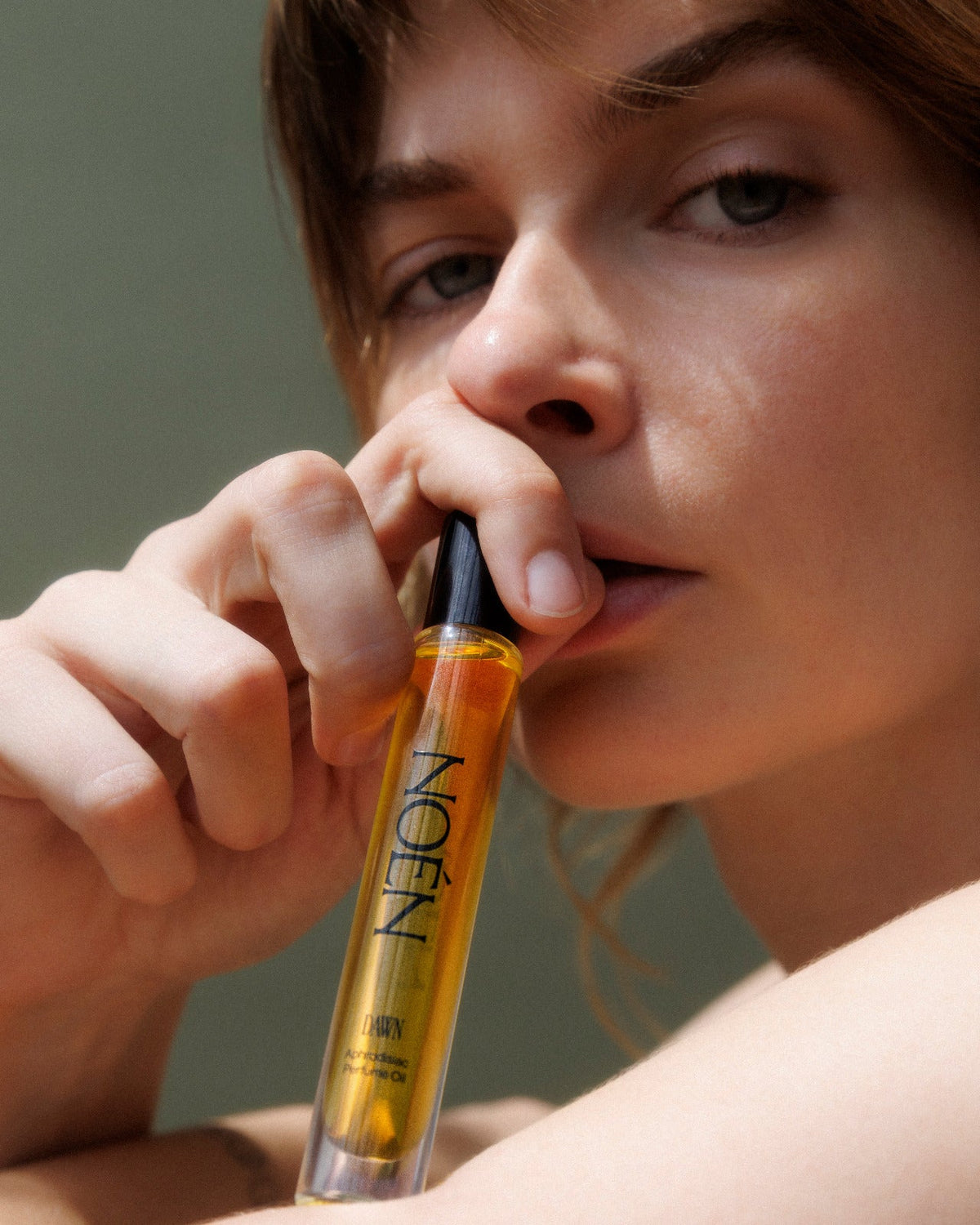
At Noén, fragrance begins with the body: the warmth of skin, the movement of the hands, the moment an oil meets the surface and its scent begins to unfold. Our aphrodisiac Perfume Oils belong to this quieter world of fragrance - close, warm, almost secret - offering a particular intimate way to experience scent.
Alcohol-free botanical perfume oils. 100% natural. Suspended in our signature Nile Oil.