Oct 27, 2026
Beyond the Face: Why Ancient Egyptians Anointed the Whole Body
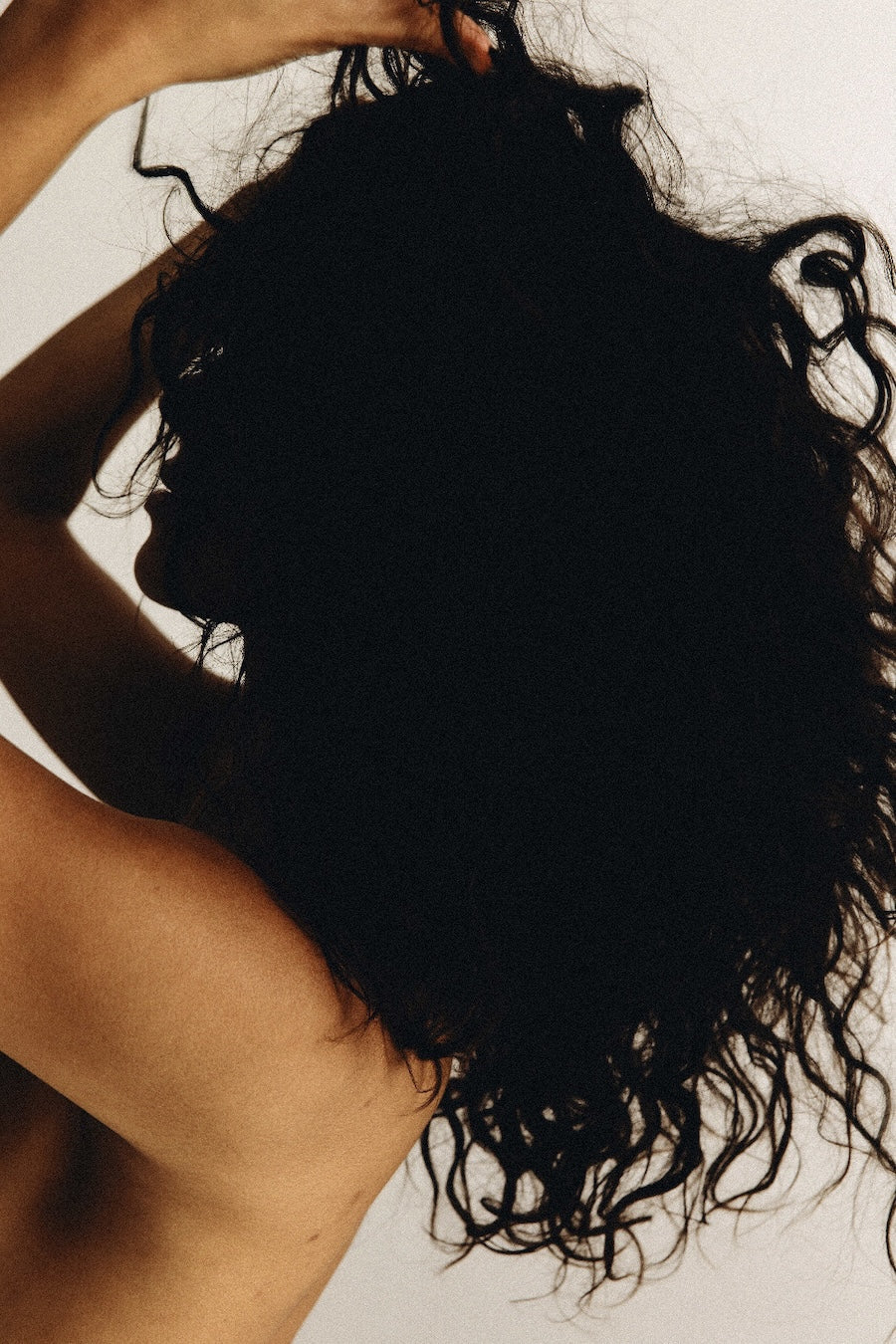
The shoulders, the length of the arms, the stomach, the backs of the knees, the thighs, the ankles. The parts covered by clothes, pressed by fabrics, usually forgotten and rarely touched with intention.
The ancient Egyptians had a way of caring for all of them. And you can have it too.
The body below the neck matters
Ancient Egyptian rituals did not stop at the face: botanical oils and rich ointments were worked into the skin after bathing for softness, scent and protection from the dry climate, dust and desert air. The gesture was simple: water, then oil. This was anointing, shaped as much by touch and scent as by what was being applied. And today, we understand why this ritual makes so much sense.
The skin is protected by a thin, almost invisible barrier that helps hold moisture close to its surface. Still, some water is constantly escaping from the skin and evaporating into the air. This is known as transepidermal water loss, a natural process that happens throughout the day.
Applying oil to slightly damp skin after bathing can help slow this water loss, keeping the skin feeling softer and more supple. And the Egyptians already knew that…
But why oils?
Oils and unguents belonged to both the ordinary and the sacred in ancient Egypt. Surviving vessels from the New Kingdom period still hold traces of the importance given to these preparations: small jars once held cosmetic oils, salves and ointments valuable enough to accompany their owners into the afterlife.
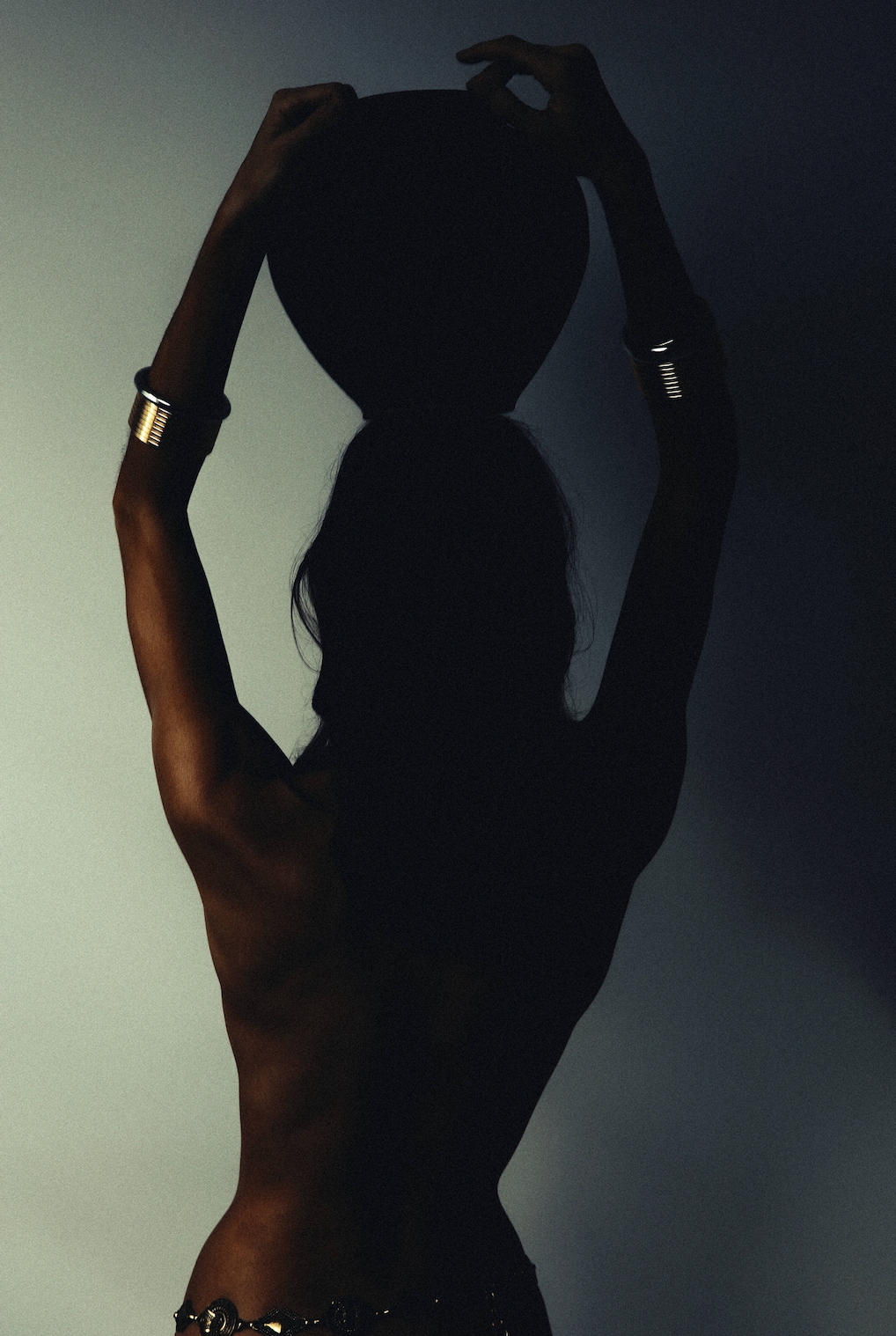
But oil was not only something kept in a vessel or used in private: it was also part of how people encountered one another. Eighteenth Dynasty tomb paintings show attendants anointing guests with perfumed oils at gatherings, turning the simple act of applying oil into a gesture of hospitality and social ritual. Centuries later, when Cleopatra ruled the Kingdom of Egypt, she inherited a culture in which fragrance, adornment and the body were deeply intertwined. In her world, beauty was something to be experienced and worn through touch, scent and anointing.
Today, as the season changes, the act of anointing finds its way back into our own routines: the air is becoming drier, we are having longer, warmer showers and the skin might start to feel tighter or rougher, less supple. This is where a daily body-oil ritual can make a difference.

A modern anointing
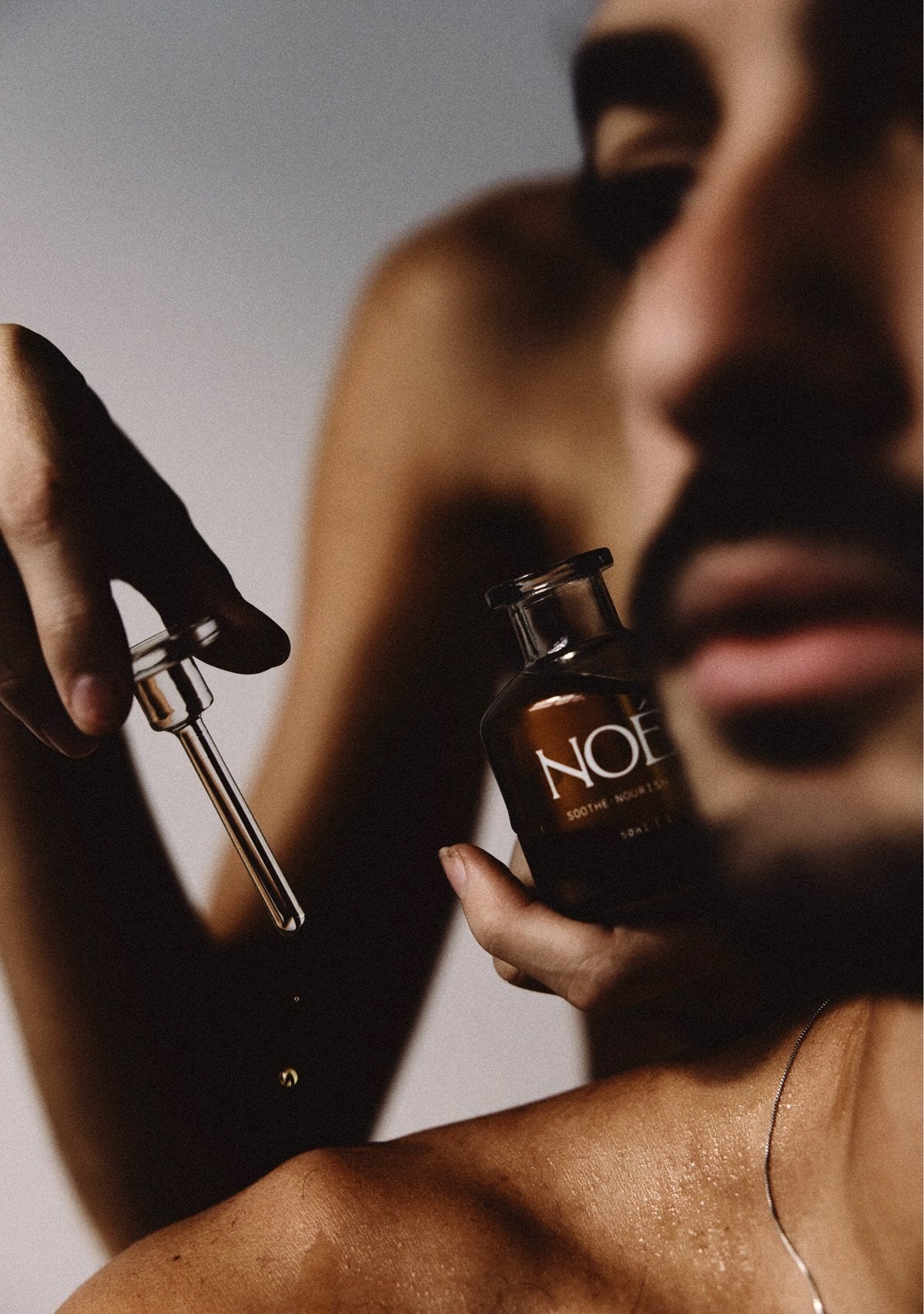
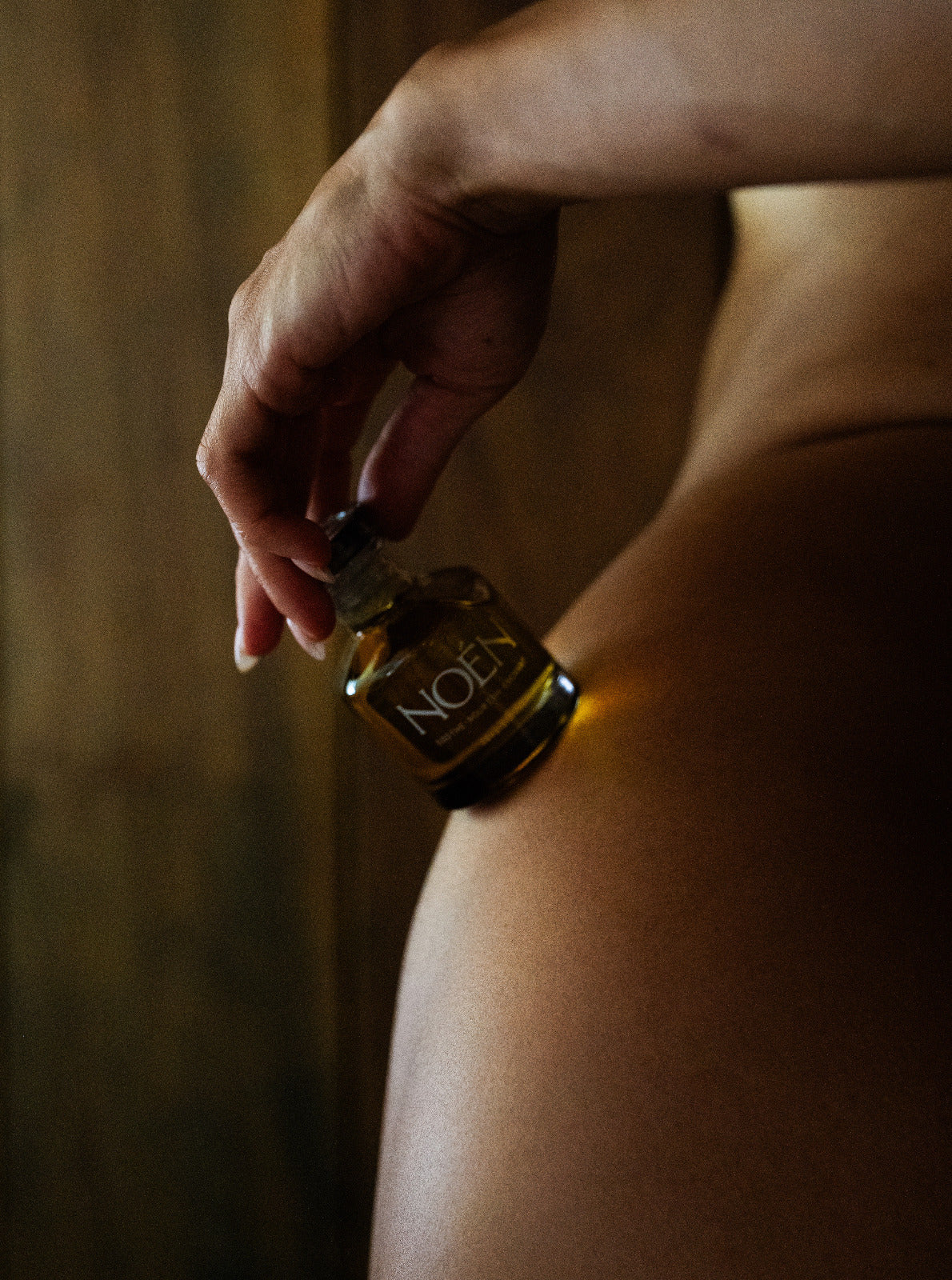
Our multipurpose Nile Oil brings an ancient practice into the present. It was where Noén first began to explore the body through oil, scent and touch and remains a small-batch creation made in New York, rooted in ritual.
Start with your skin slightly damp: warm a few drops between your hands and press them slowly over the legs, the stomach, the arms, the shoulders. Move over the places that are usually covered, the ones that begin to feel drier. Notice where the skin is soft, where it is asking for more, and stay there for a while, giving the body time. To feel your warmth. To be tender again.
Cleopatra would have understood this kind of attention, and perhaps she would have been pleased to see you giving the same to yourself.